

Exclusive: Saudi Arabia prepares to open first alcohol store for diplomats

RIYADH, Jan 24 (Reuters) - Saudi Arabia is preparing to open its first alcohol store in the capital Riyadh which will serve exclusively non-Muslim diplomats, according to a source familiar with the plans and a document.
Customers will have to register via a mobile app, get a clearance code from the foreign ministry, and respect monthly quotas with their purchases, said the document, which was seen by Reuters.
The move is a milestone in the kingdom's efforts, led by Saudi Crown Prince Mohammed bin Salman, to open the ultra-conservative Muslim country for tourism and business as drinking alcohol is forbidden in Islam.
It is also part of wider plans known as Vision 2030 to build a post-oil economy.
The new store is located in Riyadh's Diplomatic Quarter, a neighbourhood where embassies and diplomats reside, and will be "strictly restricted" to non-Muslims, the document said.
It was unclear if other non-Muslim expatriates will have access to the store. Millions of expatriates live in Saudi Arabia but most of them are Muslim workers from Asia and Egypt.
A source familiar with the plans said the store is expected to open in the coming weeks.
Saudi Arabia has strict laws against drinking alcohol which can be punishable by hundreds of lashes, deportation, fines, or imprisonment and expatriates also face deportation. As part of the reforms, whipping has largely been replaced by jail sentences.
Alcohol has been available only through diplomatic mail or on the black market.
Source
Top Rated Posts ....
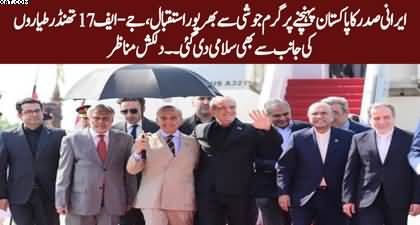 Iranian President receives grand welcome in Pakistan with JF-17 Thunder fly past
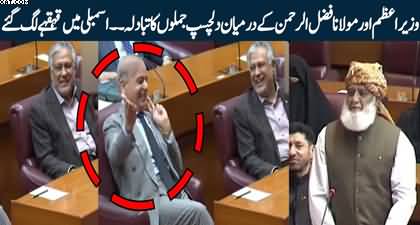 Exchange of interesting words between PM Shehbaz Sharif and Maulana Fazlur Rehman in National Assembly
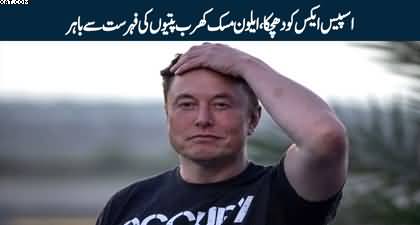 Elon Musk loses trillionaire status as global tech rout hits SpaceX
 Khawateen Ki Na Zaiba Videos Bnany Wala Jali Aamal Giraftar
 Islam & Science: Facts, Faith or Conflict? Journalist Shweta Jaya with Islamic Scholar Zakia Khan
 Video: Moment massive 7.5-magnitude earthquake hits Venezuela

Advertisement
Popular Posts
Karachi: Shameless motorcyclist’s obscene act in front of pink bus
Views 919 | June 20, 2026
JD Vance highly praises Field Marshal Asim Munir for deal with Iran
Views 872 | June 22, 2026Iranian President receives grand welcome in Pakistan with JF-17 Thunder fly past
Views 742 | June 23, 2026
CCTV Footage: Shopkeepers in Sheikhupura cleverly foiled a robbery attempt
Views 722 | June 21, 2026
Hillary Clinton shares shocking truth about Israel's PM Netanyahu
Views 712 | June 20, 2026
Suspect arrested in Karachi for doing shameful act in front of pink bus
Views 630 | June 22, 2026
Donald Trump blasts on New York Times news, threatens of legal action
Views 509 | June 22, 2026
Vigo Dalay Ban Honay Chahyen - Khawaja Asif's funny speech about Vigo Dala in NA
Views 497 | June 21, 2026Exchange of interesting words between PM Shehbaz Sharif and Maulana Fazlur Rehman in National Assembly
Views 474 | June 24, 2026Elon Musk loses trillionaire status as global tech rout hits SpaceX
Views 460 | June 25, 2026



Comments...